
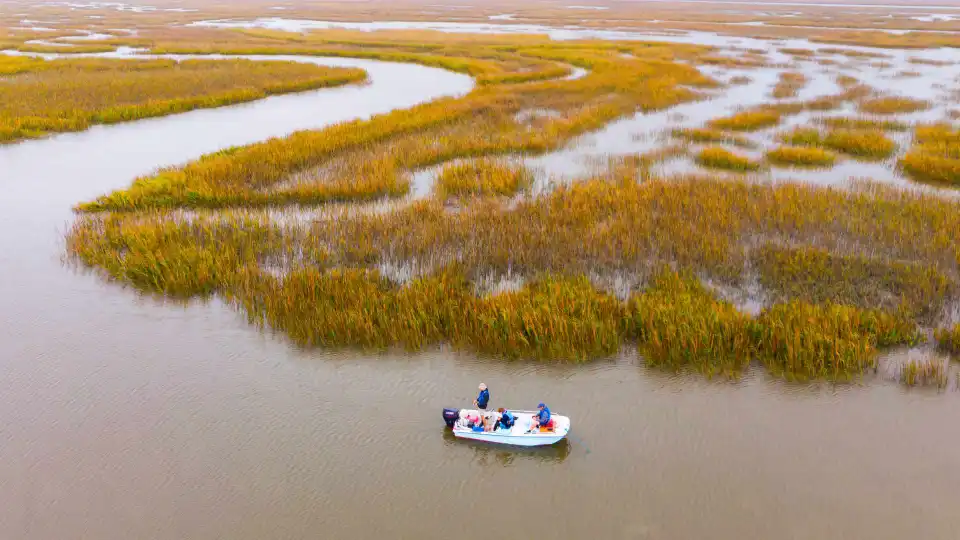
TFN Brackish Backwaters Guide
How changing water and mixed conditions shape fishing where fresh meets salt
Brackish backwaters sit between freshwater and saltwater environments, and they tend to change more often than almost any other type of water. Rainfall, tides, and wind can all influence how these areas look and fish from one day to the next. Because of this, some days they feel full of activity, while other days they feel quiet and empty.
Fishing brackish backwaters rewards anglers who pay attention to conditions rather than routines. Fish often move in and out of these areas depending on water clarity, flow, and comfort. Understanding what to look for helps narrow down when these waters are worth fishing and when it’s better to move on.
1. Mixed Water & Changing Conditions
One of the defining traits of brackish backwaters is how quickly conditions can change. Freshwater inflow and tidal movement constantly mix, affecting visibility and fish behavior.
These areas are often known for:
- Water that shifts from clear to stained
- Changes in salinity after rain or strong tides
- Fish that move frequently rather than staying put
- Good fishing on some days and slow fishing on others
Fishing mixed water means adjusting expectations. When conditions line up, fish can be active and aggressive. When they don’t, fish may slide toward more stable water nearby.
Add 03 Snippet content here
Add 04 Snippet content here
Add 05 Snippet content here
Add 06 Snippet content here
Quick Links
Some text goes here
Start Here
New to TFN? Learn how to fish smarter by understanding conditions, not chasing trends.
Fish Smarter Today
Simple tactics and adjustments that work no matter where or how you fish.
Plan the Weekend
Your quick-hit game plan for freshwater, inshore, pier, and surf fishing this weekend.
Short on Time?
Make the most of a quick trip with proven 90-minute fishing strategies.